About
Located in Clarksburg, Tennessee, South Carroll Special School District serves 339 students in a small rural community. They used Parsec Real to gather student preferences and make true change.
Between September 30 and October 2, the district used Parsec Real to gather cafeteria feedback, collecting 196 submissions from 72 parents about their students experience and gaining fast clarity about food quality, staffing, and student experience.
Key Points

Collected 196 cafeteria feedback submissions in only 3 days
Identified food quality and staffing issues directly from student experiences
Used findings to rehire staff, update menus, and brief the school board
Problem
South Carroll needed a clear, student-centered way to understand concerns about their cafeteria program, but traditional feedback methods weren’t providing enough detail to guide changes.
Solution
Using Parsec Real, students thoughts were shared about food quality, staffing, and daily cafeteria routines, giving leaders honest insight they couldn’t capture through surveys or informal conversations.
Impact
The district acted immediately—rehiring cafeteria staff, improving menu options, and presenting the findings to their school board to guide program improvements.

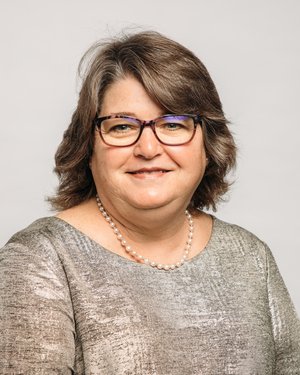

After collecting cafeteria feedback by hand for older students, Dr. Lisa said she wished Real had been available earlier.
“I wish I’d had Parsec Real before we did that the old fashioned way.”
– Dr. Lisa Norris, Director of Schools
Their Real Experience
Before using Parsec Real, the district collected feedback by hand through paper responses, entering them manually into a spreadsheet, and then sorting through the data on their own. This took staff an enormous amount of time.
South Carroll used Parsec Real to gather cafeteria feedback from the K-5th grades and wished they had Real when they did the middle/high school manually. Parents gave their students opinions on what influenced whether they chose to eat school meals, how they felt about the current variety of food options, and what changes they hoped to see. The volume and specificity of the responses gave the district a clearer understanding of what students were experiencing day to day.
What Student Voice Shared
- Concerns about food quality, including meals that didn’t taste fresh
- Frustration with limited variety, with many students wanting more options
- Requests for healthier or more filling foods
- Comments about portion sizes being too small
- Opinions about specific items offered, or no longer offered, on the menu
These themes highlighted issues that were difficult to capture through surveys alone. Students not only described what they didn’t like but also shared what types of foods or choices would encourage them to eat school meals more often.
Using this information, the district was able to clearly connect cafeteria challenges to both food options and operational constraints such as staffing. The Real results helped validate the concerns families and staff had been raising informally, but with organized student feedback that made the patterns easier to understand and act upon.
From November 3–12, the cafeteria served 1,681 breakfasts and 1,973 lunches, averaging 210 breakfast meals and 247 lunch meals per day. Daily participation remained consistently strong throughout the 8-day period and is up from prior evaluations.
Following the Real run, South Carroll used these insights to rehire cafeteria staff, adjust menu offerings, and share the findings with their school board during a study session. The quick turnaround allowed the district to make informed updates to their cafeteria program based directly on the experiences students described.